One of the world’s great cities. You get to live in it.
Shanghai is not what most people expect. It is bigger, cleaner, and far more international than its reputation suggests — and for foreigners, it is one of the most liveable cities in the world. If you are weighing up a move to teach here, this page gives you an honest picture of what life actually looks like.
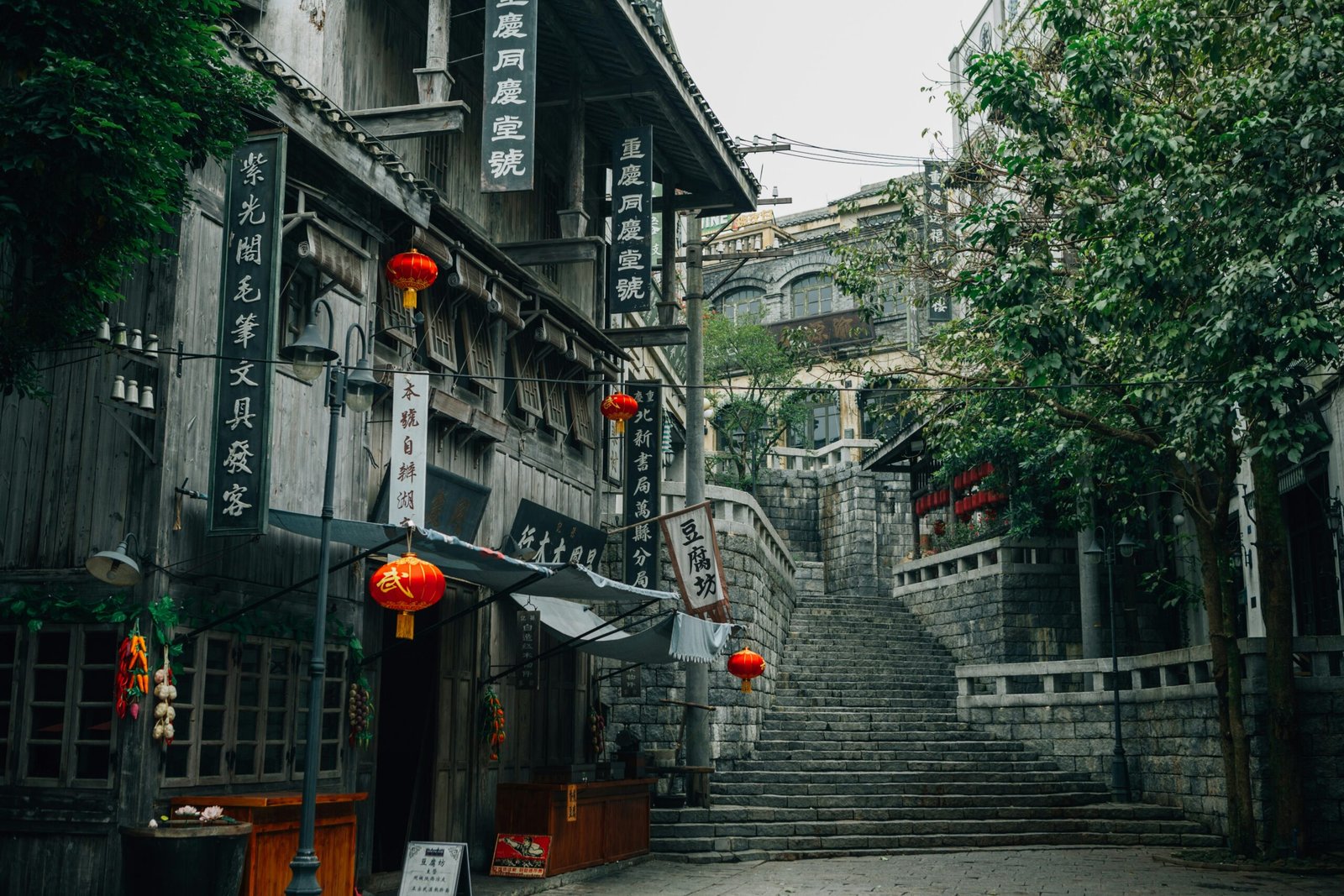
Shanghai is home to 25 million people and sits in a different league from most cities in the world. The skyline is genuinely extraordinary. The infrastructure works. The streets are safe at any hour. And once you find your neighbourhood, it starts to feel less like a megacity and more like a collection of very liveable small towns stitched together.
Most coaches based at ThinkWriteSpeak live on the Puxi side, in areas like Jing’an, Changning, or Xuhui. These are walkable, green, full of coffee shops and restaurants, and well connected to everywhere else by metro.
Food & Nightlife
The food scene in Shanghai is serious. You can eat exceptionally well for very little, from hand-pulled noodles at a local spot for 20 RMB to proper sit-down restaurants for not much more. The city also has every international cuisine you could want, a thriving craft beer scene, and more rooftop bars than you will ever get through.
The French Concession is the social heart of expat Shanghai. Tree-lined streets, independent cafes, jazz bars, and restaurants that would hold their own in London or New York. You will not be short of things to do.
Getting Around
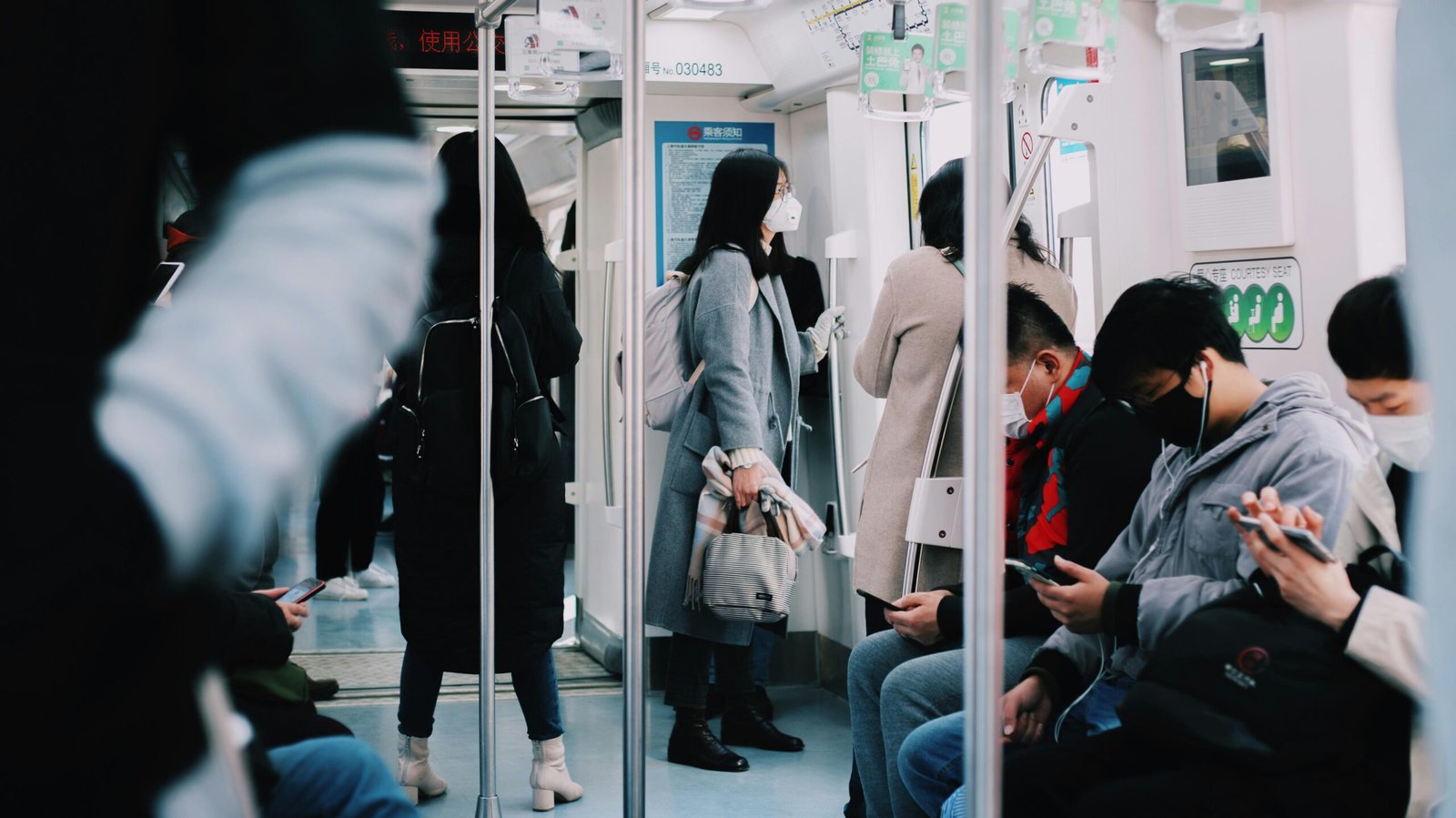
The Shanghai metro is one of the best urban rail systems in the world. It is fast, cheap (rarely more than 6 RMB), and goes almost everywhere you need. Most coaches do not own a car and do not need one.
For everything else, DiDi is the local ride-hailing app. It works like Uber, costs a fraction of the price, and has an English-language mode. Getting around the city is genuinely one of the easiest parts of living here.
Cost of Living
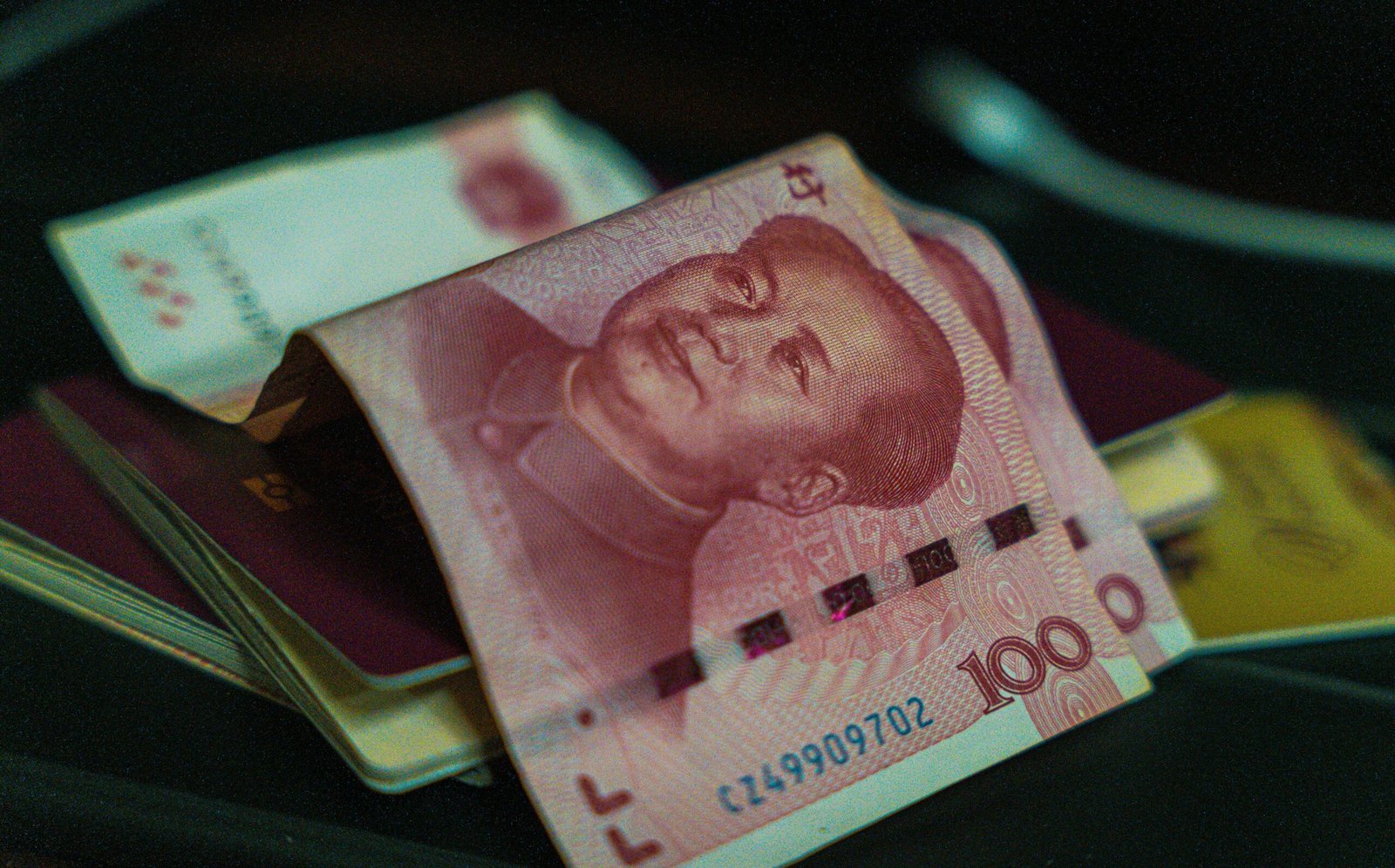
On a ThinkWriteSpeak coaching salary, Shanghai is affordable in a way that London or Sydney simply is not. Rent for a well-located one-bedroom apartment typically runs between 5,000 and 9,000 RMB per month. Local food is cheap. Transport is cheap. The costs that add up are the Western comforts, imported groceries, and weekend trips, all of which are manageable with a bit of sense.
Most coaches find they save more here than they did at home, while living noticeably better.
The Expat Community
Shanghai has one of the largest expat communities in Asia, well over 150,000 registered foreign residents and a lot more besides. There are sports leagues, language exchanges, professional networks, hiking groups, and communities built around almost every interest you can name.
The ThinkWriteSpeak team itself spans eight nationalities. You will arrive with colleagues, not just coworkers, and most people find their social circle expands faster here than it ever did back home.
Practical Tips
A few things to know before you arrive. WeChat is essential: it is how people communicate, split bills, and pay for almost everything. Alipay handles the rest. DiDi gets you around. A VPN gives you access to Google, Instagram, and anything else blocked on the mainland network. All four are easy to set up and your colleagues will help.
Mandarin is not required to live comfortably in Shanghai. Most day-to-day situations are manageable without it, though learning a few basics will serve you well and locals appreciate the effort. English is widely spoken in the areas where most expats live and work.
Ready to Live in Shanghai?
If you are a strong writer or debater, a natural communicator, and the kind of person who finds the idea of living in Shanghai genuinely exciting, we would like to hear from you.